The applications of 32B chain:
1.Mechanical Repair:The 32B Chain Breaker is a professional tool for quickly cutting roller chains, bicycle chains, and motorcycle chains, widely used in chain factories and repair shops to simplify disassembly tasks.
2.Industrial Transmission:The ISO DIN-standard 32B carbon steel roller chain supports high-load industrial drives, ensuring smooth power transmission in machinery and conveyor systems.
3.Precision Fitting:Standard 32B chainwheels with BTL/QTL cone holes are engineered for precise alignment with 32B chains, reducing wear and enhancing efficiency in automotive and agricultural equipment.
4.AI Model Deployment:The 32B-scale AM-Thinking-v1 model achieves single-GPU deployment, rivaling larger MoE models in math and code tasks while maintaining low latency, ideal for edge computing scenarios.
● Wood Industry
Tobacco Machine Chain is an indispensable and important part of the tobacco processing industry and is widely used in various links such as tobacco leaf transportation, cutting, rolling, packaging and drying.
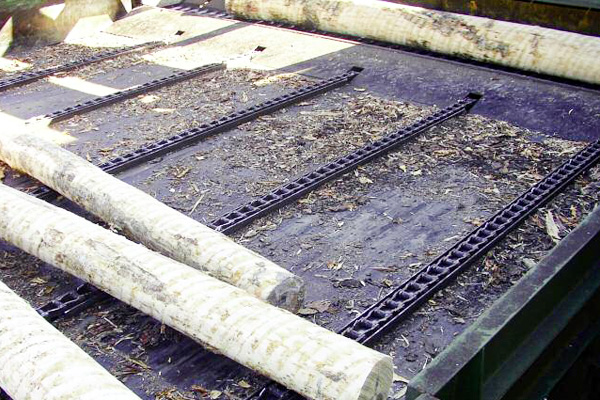
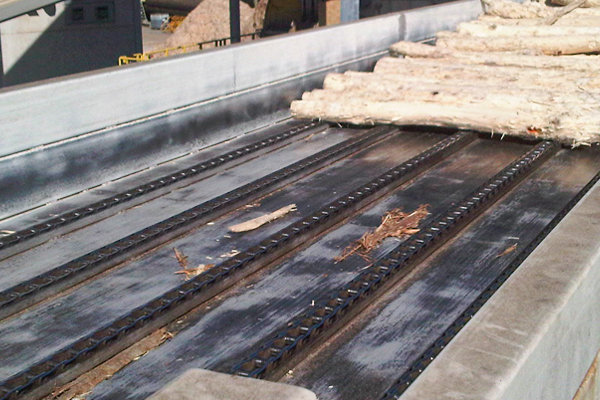
Advantages of Lumber Conveyor Chain
● High load-bearing capacity
Wood, especially logs, is large in size and weight, and the chain needs to have a very strong load-bearing capacity to ensure stable transportation of large wood and heavy objects.
● Abrasion resistance
Wood surfaces are usually rough, and a large amount of sawdust, dust and wood chips may be generated during processing, which will increase the wear of the chain.
● Corrosion resistance
Wood may carry moisture or chemicals during wood processing, especially during drying, painting and other treatments, the chain may be exposed to humid or corrosive environments.
● Adapt to harsh environments
The environment of wood processing plants is usually harsh, and equipment often needs to operate under dust, moisture, temperature differences and high loads. Lumber Conveyor Chain design needs to take these factors into account to ensure stable operation in different environments.
● Fatigue resistance
Wood processing lines usually work continuously, and chains need to withstand repeated loads during long-term operation. Therefore, the fatigue resistance of the chain is crucial to ensure that the chain will not break or deform due to long-term high-intensity operation.